
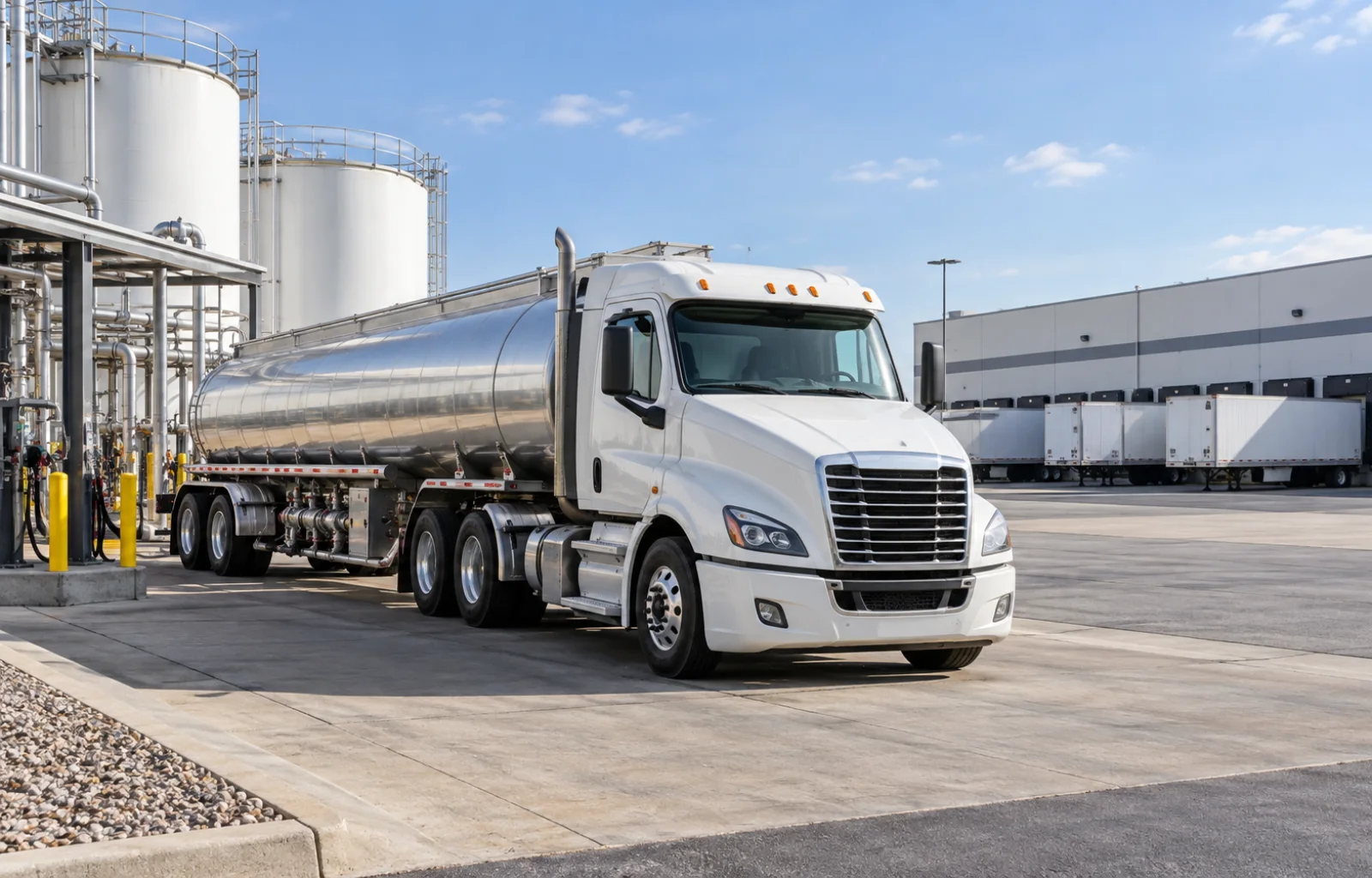

September’s retail gain was concentrated at gasoline stations, a distinction that matters for carriers looking for a broad merchandise replenishment signal. The Census Bureau’s October 15 advance release puts U.S. retail and food-services sales at $745.0 billion, up 0.8% from August. FreightNews calculates that gasoline stations supplied about 71% of the net monthly dollar increase. A stronger sales headline therefore gives general retail freight a narrower demand signal than the total suggests.
Table 1 reports seasonally adjusted total sales of $745.021 billion in September and $739.322 billion in revised August, a $5.699 billion increase. Gasoline-station receipts rose from $63.950 billion to $68.021 billion, adding $4.071 billion. Dividing that contribution by the total gain produces the roughly 71% share. This is an accounting calculation from rounded Census estimates, not a separately tested statistical result. It measures sales dollars rather than gallons delivered or tanker trips.
Outside gasoline stations, sales increased from $675.372 billion to $677.000 billion. Census reports that monthly change as 0.2%, compared with 6.4% at gasoline stations. The release adjusts for recurring seasonal patterns and calendar differences, but leaves price changes in the figures. The table cannot separate the gasoline-station gain into price, physical volume and merchandise mix. It also cannot establish that fuel hauling demand increased at the same rate as receipts.
The national headline still describes growth: total sales were 6.3% above September 2025, and July through September sales were 5.5% above the year-earlier period. August’s monthly gain was revised from 1.1% to 1.3%. These are advance estimates, with later revisions possible. The survey methodology uses early responses from a subsample of the larger monthly retail survey; the figures are an early national reading rather than a completed count of every merchant’s sales.
For a dry-van fleet, FreightNews infers that the useful next step is a customer-level replenishment check. Ask whether higher revenue reflects more units leaving stores, a higher price per unit or a different product mix. Then compare purchase orders released to the fleet with actual pickup appointments and destination acceptance. A retailer can collect more dollars without adding a trailer, while a customer with flat revenue can still generate freight if its goods become cheaper or its distribution pattern changes.
A fuel carrier needs a different physical check: confirmed terminal liftings, gallons ordered and the delivery schedule for its own accounts. For either fleet, the commercial decision should rest on the shipments available to move. September’s new evidence is a concentrated retail-dollar gain; it supports a targeted demand review before committing extra equipment to a supposed nationwide merchandise surge. The public estimate supplies context, while customer releases determine where that capacity can earn revenue.