


The U.S. average retail price for on-highway diesel reached $5.348 per gallon for the week of August 3, according to the Energy Information Administration. That was 3.5 cents above the prior week and $1.548 above the same period a year earlier.
The national number hides a wide regional spread. The Gulf Coast averaged $5.141, the Midwest $5.262, the Rocky Mountain region $5.285, the East Coast $5.299, and the West Coast $6.130. California averaged $6.716.
Regional movement also differed. The East Coast declined 5.5 cents for the week while the Rocky Mountain region rose 14.4 cents. A network plan based on one national change can miss what is happening on the lanes the fleet actually runs.
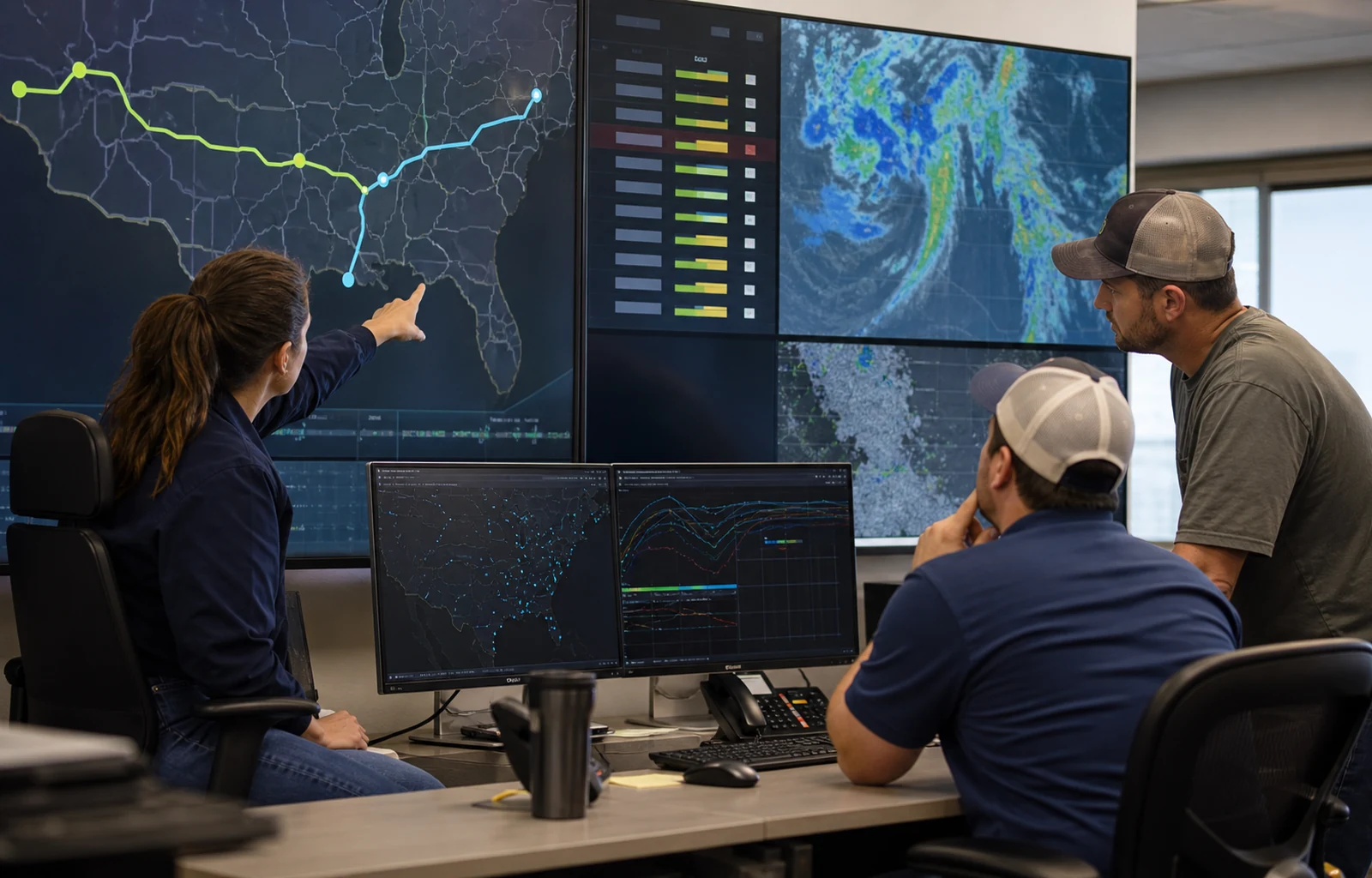
Fuel strategy starts with the assigned route and usable tank range. Compare realistic stops along that route, including network discount, out-of-route miles, expected congestion, parking, and whether the driver can reach the stop without compromising the legal or safe plan.
A lower posted price is not automatically a lower delivered cost. Ten unnecessary miles, a long queue, or a fuel stop that disrupts the next appointment can erase the difference quickly.
Customer recovery needs the same lane view. A national surcharge may under-recover a West Coast move and overstate the change on another lane. The contract controls billing, but internal reporting should still show the true contribution of each movement.
Fleets should watch unauthorized and emergency purchases for patterns. Repeated exceptions may reveal a bad route template, card acceptance problem, insufficient tank assumptions, or a stop that is consistently full when the plan expects it to be available.
Driver communication matters. A useful fuel plan gives a primary stop, a backup, a target quantity, and a clear exception path. It should not require a driver to choose between saving a few cents and protecting safety or hours.
At current prices, fuel review belongs in the daily operating rhythm. The goal is not to chase every price change; it is to prevent old assumptions from quietly turning active lanes into negative work.