
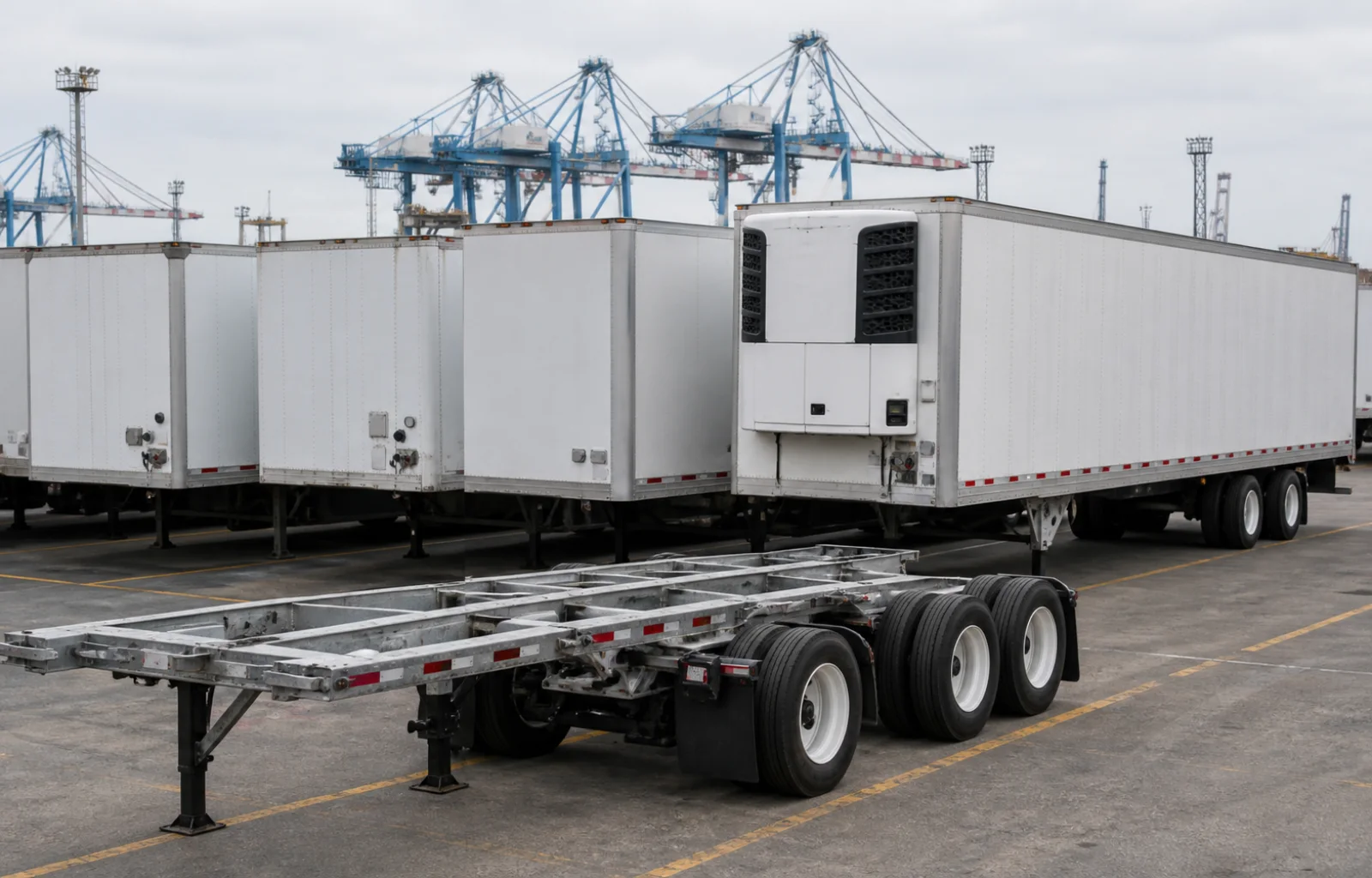

The federal trade case covering Chinese van trailers reached final Commerce Department rates on August 31, but it did not reach the final injury decision. Commerce found both less-than-fair-value sales and countervailable subsidies in separate investigations of finished and unfinished van-type trailers and covered subassemblies from China. The U.S. International Trade Commission now has the next decision on whether the U.S. industry was materially injured or threatened with injury by those imports.
The antidumping determination assigns the China-wide entity a 130.86% estimated dumping margin and a 129.73% cash-deposit rate after the export-subsidy adjustment. The companion countervailing-duty determination assigns a 134.75% subsidy rate to the examined CIMC companies, non-responsive companies and all other producers or exporters. Commerce says those rates rely on adverse facts available after the mandatory respondent withdrew from the subsidy investigation and the China-wide entity did not establish a separate antidumping rate.
Those published percentages belong to two different proceedings. FreightNews does not infer one universal delivered-price increase by simply adding them. The deposit stack for an entry depends on the merchandise, producer-exporter combination, country routing, applicable case numbers and Customs instructions, while purchase price, freight, taxes and other trade measures sit outside these two determinations.

Cash-deposit exposure also predates the final notices. Commerce says countervailing-duty deposits and suspended liquidation began for covered entries on June 5, while the antidumping suspension applies to covered entries on or after June 15. The final decisions leave those instructions in place while the commission completes its injury review.
The written scope reaches beyond a complete box trailer. It covers finished or unfinished dry vans and refrigerated vans with a gross vehicle weight rating above 26,000 pounds, along with listed frame, wall, roof, door, rear-impact-guard, running-gear, axle and landing-gear subassemblies. Components shipped on the same bill of lading with covered trailers or subassemblies can also fall within the case. The product description, not a tariff-code shortcut, controls scope.

Canadian assembly does not automatically remove Chinese content from the investigation. Commerce created third-country case numbers for Chinese subassemblies and trailers containing Chinese subassemblies imported through Canada. Its notices say only the Chinese subassembly portion and components on the same bill of lading are subject in that situation. That is a sourcing and entry-document issue, not a finding that every Canadian-built trailer carries the China rates.
The ITC has up to 45 days after the affirmative Commerce determinations to make its final injury decision. An affirmative finding would lead Commerce to issue antidumping and countervailing-duty orders. A negative finding would terminate the proceedings and lift the suspension, with deposits refunded or canceled. Fleets and dealers should therefore treat today's rates as live import-cost exposure, not proof that the final orders are already in place.
For equipment buyers, FreightNews infers that the practical control is a trailer-level origin file. Preserve the complete bill of materials, producer and exporter identities, entry date, assembly country, bill-of-lading component list, quoted duty treatment and the contract term that allocates a deposit change or refund. A supplier's country label alone cannot answer the scope questions described in the notices.
Do not reprice a domestic trailer order from the headline percentages, and do not accept an imported quote that omits the case numbers and scope analysis. The market signal is narrower and still consequential: Commerce has finalized high deposit rates on covered Chinese trailer equipment, while the ITC injury decision remains the gate to final duty orders.