
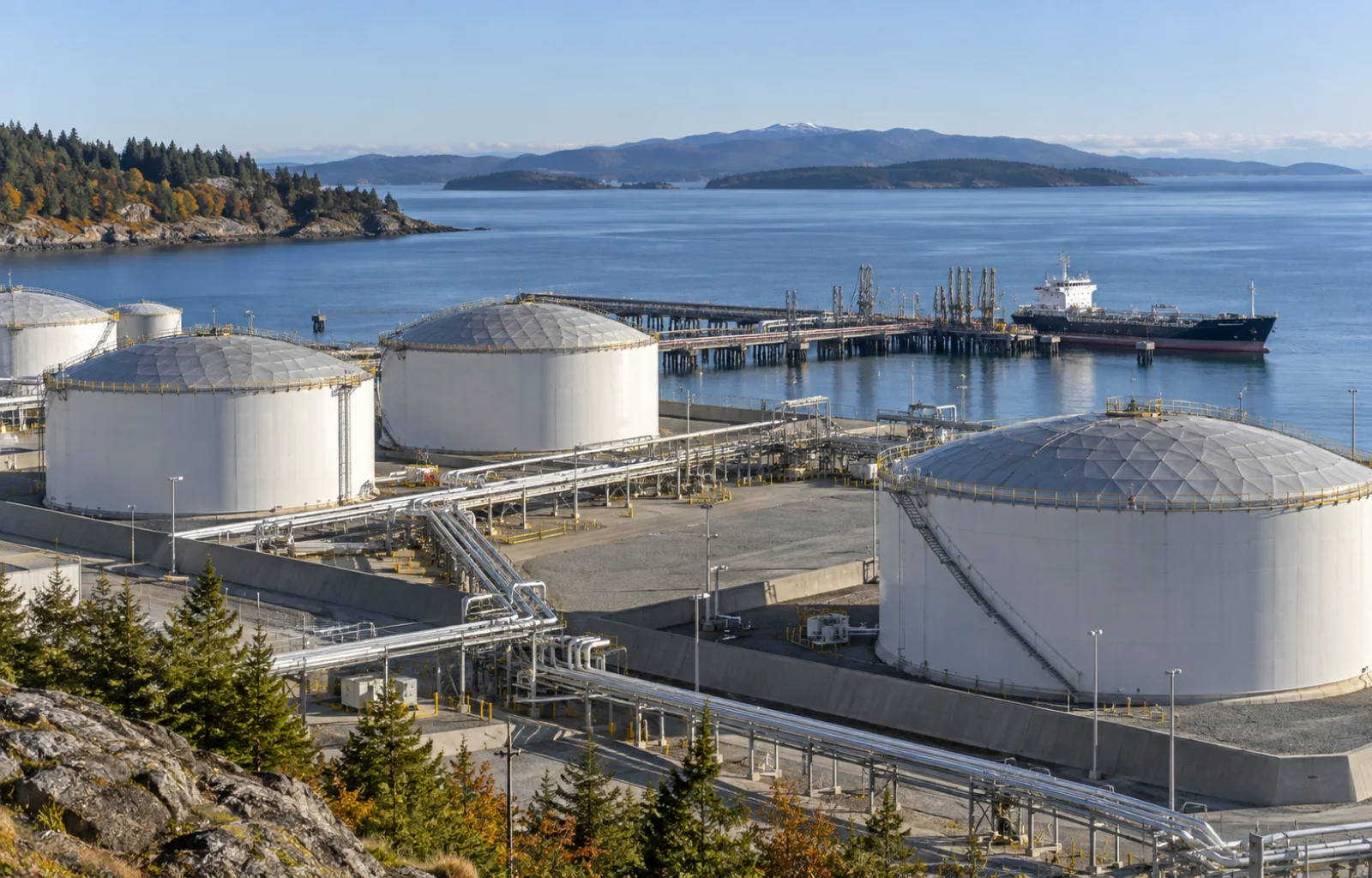

The East Coast’s winter fuel question is how to rebuild inventory when the usual outside supply is also tight. In its October 6 Short-Term Energy Outlook, the Energy Information Administration forecasts regional distillate stocks 20% to 30% below their 2021–2025 seasonal average through the coming winter. For carriers purchasing diesel across regions, that is a reason to examine the supply behind the fuel stop, alongside the quoted price.
EIA’s detailed petroleum-products section puts September East Coast stocks 32% below the five-year seasonal average. It expects imports to struggle to restore inventories during heating season because global distillate stocks are low. The region’s projected April 2027 low is 22.6 million barrels, 21% below the seasonal comparison. These are inventory estimates and forecasts for PADD 1, rather than a finding that every retail outlet lacks fuel.
The outside-supply dependence is measurable. EIA says the region imported 124,000 barrels of distillate a day in 2025, about 10% of consumption. Imports, mainly from Canada into the Northeast, typically peak from December through February and represent about 15% of regional consumption then. Gulf Coast deliveries, chiefly through the Colonial Pipeline and also by water, provide another source alongside local refinery production.
That seasonal import share answers a different question from the national pump average: how much of the regional supply must arrive from elsewhere at the time winter demand rises? Distillate covers more than truck diesel. The inventory balance therefore cannot be assigned entirely to highway fleets, and an import barrel cannot be translated directly into an available truckstop gallon.
For fleets with both bulk tanks and retail purchasing, FreightNews infers that the useful comparison is between supply paths. Two purchasing options may draw from the same terminal, while an apparently distant supplier may offer a different replenishment route. Ask suppliers which terminal serves the account, how deliveries are scheduled and what alternatives exist if the normal delivery cannot be made. The outlook supplies no outlet-level availability list.
A practical planning exercise is to price a delayed-delivery scenario. Identify the fuel required for already committed trips, the next confirmed replenishment and the actual usable stock at a fleet tank. Then calculate what retail substitution or a different authorized fuel stop would cost, including extra miles. This is a carrier budgeting method, not an EIA prediction of a delivery failure or a recommendation to accumulate speculative inventory.
The forecast has a clear information cutoff. EIA completed its inputs October 1 and says this outlook does not specifically include subsequent market events. Its overview includes the September 29 Strategic Petroleum Reserve exchange announcement but excludes additional supply resulting from the October 2 G7 announcement. Teams should preserve that vintage when comparing the forecast with later supplier information.
The operating takeaway extends beyond an East Coast address: a fleet crossing several regions can face different replenishment options on different legs of the same trip. Use the winter outlook to investigate confirmed fuel access and the cost of alternatives, then update the plan with actual deliveries. A regional inventory deficit is a planning signal; supplier commitments determine the next purchase.