
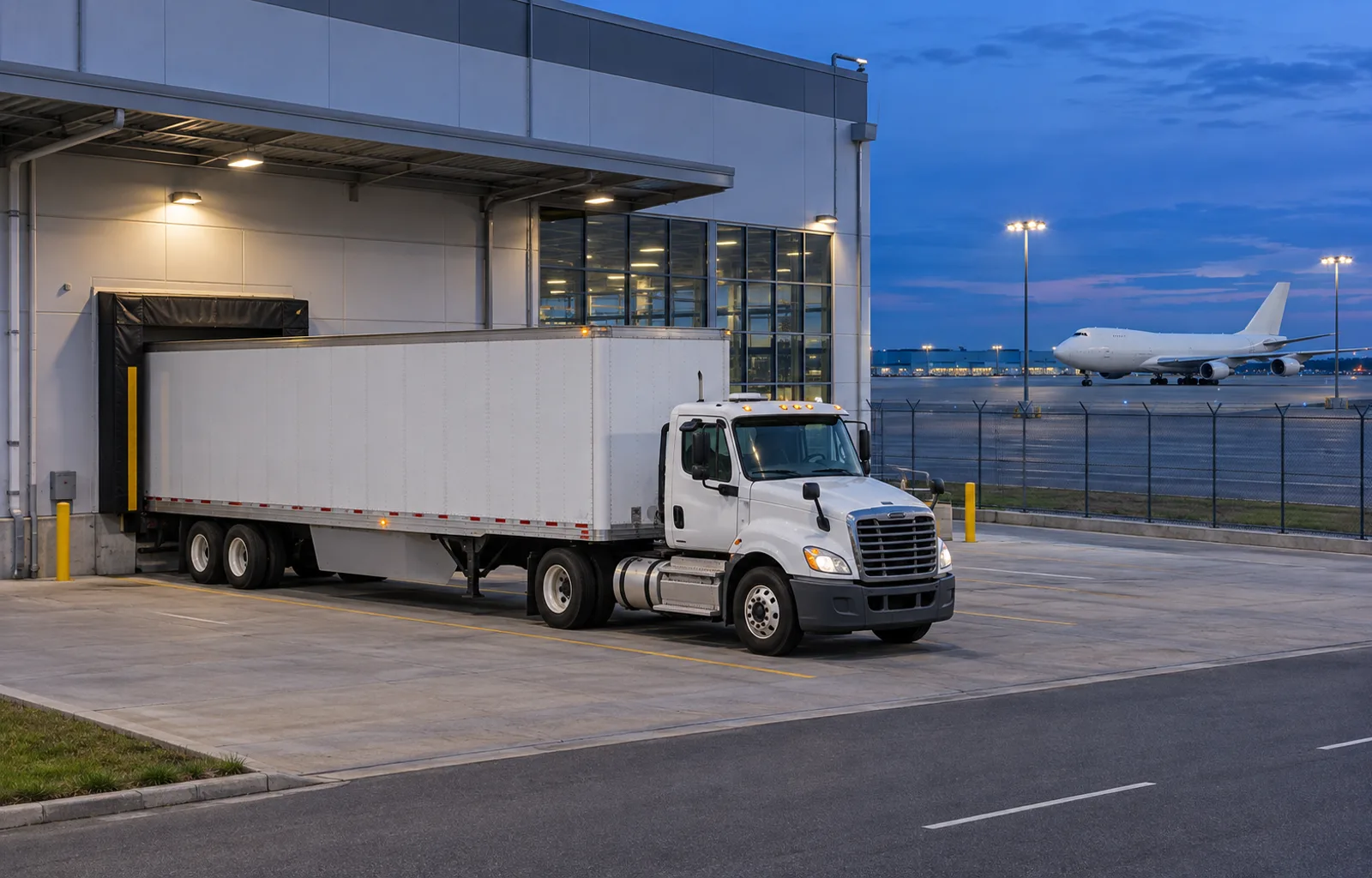
FedEx has added a Dallas–Fort Worth connection through Anchorage five times a week as part of its peak-season Asia–U.S. expansion. The new gateway option matters to a Texas importer that can obtain a quote for the same shipment through Dallas and another U.S. gateway. For freight that needs a separately arranged truck leg, the routing choice changes where that leg begins and how much time it has to reach the receiver.
FedEx announced 567,000 kilograms of additional weekly capacity across its wider Asia–U.S. expansion. Its China update identified three weekly services from Shanghai via Osaka and one from Guangzhou, connecting to Anchorage and Memphis. FedEx described the five weekly Dallas connections separately and gave no Dallas-specific tonnage in either release. A buyer comparing gateways should get a confirmed allocation for the shipment’s weight and dimensions before budgeting for the Texas option.
Compare routes from the receiving deadline backward. Ask each forwarder for the booked arrival, the facility expected to hand off the shipment and its first available collection window. Then quote the ground leg from that facility to the same receiver using the same equipment, handling and delivery terms. In a hypothetical comparison, a shorter drive out of Dallas could save truck miles while a later handoff could leave less time to make the same dock appointment.
 Explore Pro FleetSync - TMS
Keep the shipment’s release and pickup details tied to its air waybill. U.S. Customs and Border Protection’s cargo release guide explains that the release quantity can differ from the full manifested quantity when an entry specifies a quantity. For a split shipment, have the broker and handling facility confirm which pieces are released and available before the trucking order specifies a full pickup. Use that confirmed handoff time when comparing the two gateway quotes.